
by Christine Saxman
Before Shelly Tochluk and I co-authored Being White Today: A Roadmap to a Positive White Antiracist Identity, we co-authored the Western State Center (WSC)’s toolkit Confronting Conspiracy Theories and Organized Bigotry at Home: A Guide for Parents and Caregivers along with Joanna Schroeder and WSC staff. In the toolkit, we uplifted an important distinction by author David Neiwert, in Red Pill, Blue Pill: How to Counteract the Conspiracy Theories That Are Killing Us, between fabricated theories and actual conspiracies.
Fabricated theories have outsized timeframes, numbers of people, and depths of scope. They also focus on targeting and scapegoating groups of people. (See: QAnon/pizzagate or antisemitic anti vax theories, etc.). Actual conspiracies are bound by time, numbers and scope. And they are focused on bringing injustice and dehumanization to light (See: Tuskegee Syphilis Experiment or MKUltra).
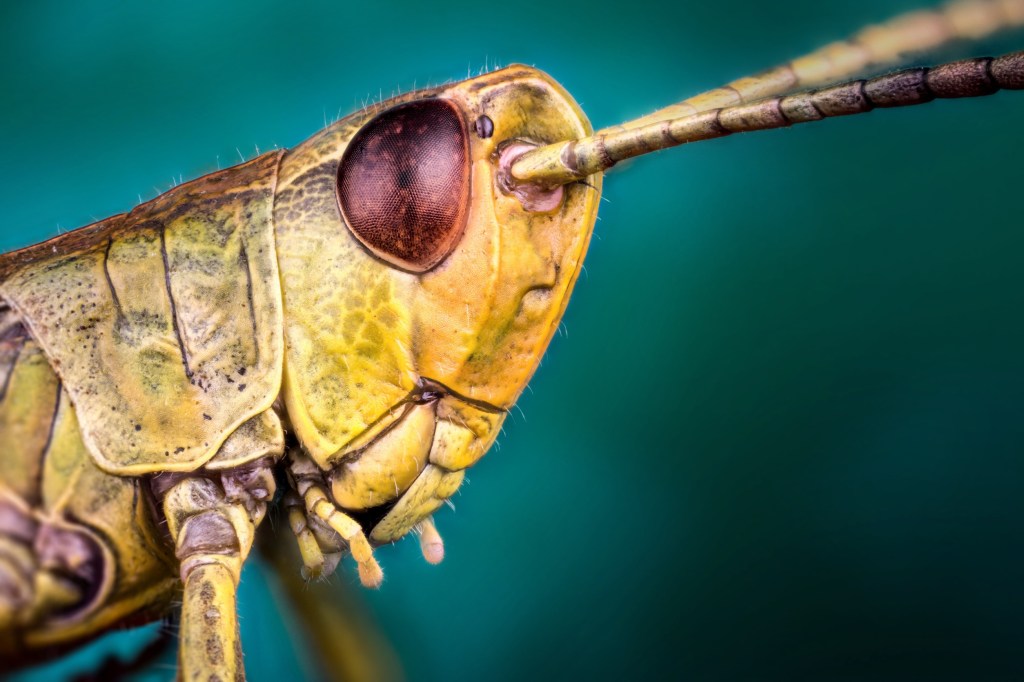
The importance of supporting young people (and adults) to navigate this morass of misinformation and shady recruiting returned to me as I listened to NPR’s Code Switch: “This Conspiracy Soup Contains Bugs — And Racism.” In the story they explore a conspiracy gaining traction in recent years that global elites want to replace meat with insects. They deftly outlined the ingredients that give this online bog its ability to suck people in:
- fear of global elites (explore history of globalist and antisemitism)
- belief that climate change is a hoax
- sense of threat to individual freedom and the American way of life
- fear of a Great Replacement (the Great Reset).
So a relatively benign proposal to explore insects as a more environmentally friendly protein source becomes part of a global conspiracy in jest by some trolls and in earnest by others who can exploit it for its antisemitism, racism, and other intertwined hatreds. And the meme, “I will not eat the bugs,” is shared over and over again and becomes one of which we should be aware in case it comes across the screen of a young (or old) person in our life.
And if it does, we can use some questions and curiosity to understand how and why the young person is engaging with this meme/conspiracy theory. The Scale of Expression from the UCLA Luskin Center for History and Policy from the toolkit provides a helpful guide to assess how attached to the conspiracy one is:
- Accidental Absorption
- Social/Edgy Transgression
- Political Provocation
- Overt Hatred
- Threats or Acts of Violence
Each level of engagement necessitates a different level of response. We don’t want to overreact to a young person who simply shared a meme because they thought it was funny yet they don’t truly understand it. And we don’t want to under-react to someone who is developing antisemitic and racist ideas underneath the surface-level “bug” jokes.
Exploring the deeper racism of this “I won’t eat the bugs” conspiracy theory, host Gene Demby and guest Huo Jingnan discuss the history of how eating insects became a superior marker of “the best” society for the “civilized” Europeans and in the US. In Being White Today, we would articulate this as an example of how white culture (not including insects in our diet) becomes whiteness (oppressive) because it asserts itself as superior. It’s all or nothing. People exploring insects as a food source is an absolute threat to an American way of life. We either eat meat or we eat insects. We can’t possibly entertain the idea of both.
To disrupt whiteness, we embrace both/and thinking. We can personally avoid eating insects and we can support others who include them as a food source. We can love our food cultural preferences without turning them into moral indictments of other people’s cultures.
As I was writing this reflection, another conspiracy flare-up came across my news feeds: conspiracy theories at the Republican debates. This one involved a country music song, ‘Rich Men, North of Richmond’ by Oliver Anthony that received a lot of attention at the debates and in the music charts. (See my recent post on “White Culture and Country Music”).
The lyric garnering attention is “I wish politicians would look out for miners / And not just minors on an island somewhere.” As NPR reports, this refers to the conspiracy around Jeffery Epstein’s death and can quickly link to Q-Anon conspiracy theories. Jared Holt, senior researcher at the Institute for Strategic Dialogue, highlights how far-right media helped push the song from obscurity to popularity: “What is concerning is how this song is being used and the type of figures who are attaching themselves to the song, especially on the back of its success,” said Holt. “And if these far-right figures are successful in associating themselves directly with the song, it could potentially open up a wider audience that they might normally not have access to all the time” (NPR).
We need to pay attention to conspiracy theories and how they can be used to recruit. And the shady side of the world works to discourage us. Stay strong and connected. We encourage you to embrace both/and thinking, cultivate healthy curiosity, and check out more empowering tools in Being White Today: A Roadmap to a Positive White Antiracist Identity and the WSC toolkit.
 Saxman Consulting, LLC